
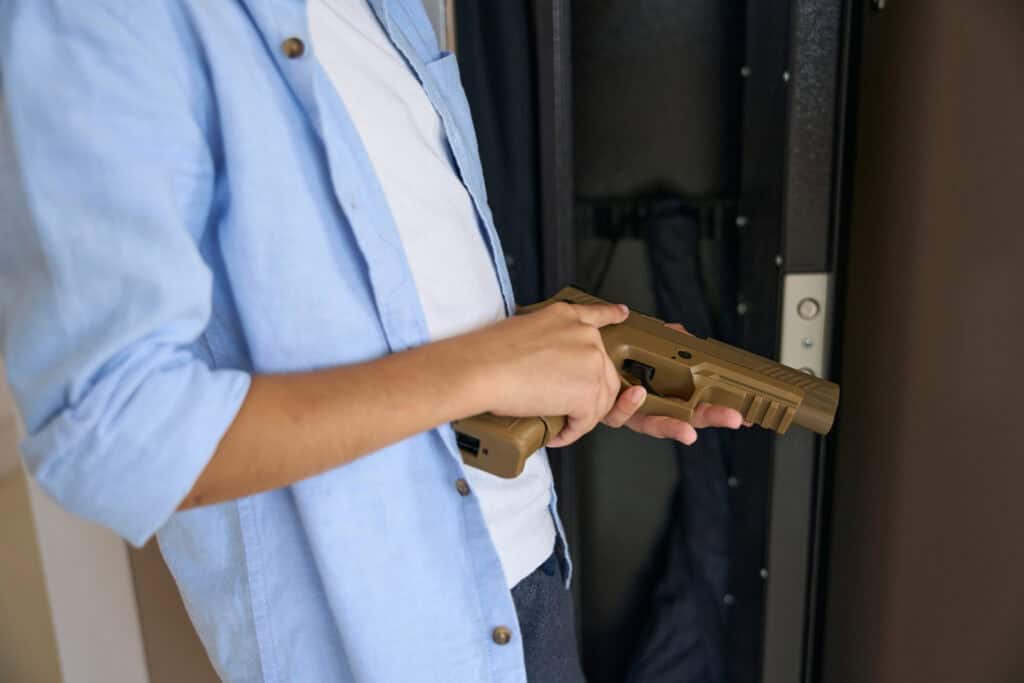
Owning a firearm comes with the responsibility to keep it out of the wrong hands, especially when those hands belong to curious children or well-meaning guests who may not be trained in safe handling. Accidents involving unsecured firearms are largely preventable with the right storage solutions and habits. Whether you keep a handgun for home defense or a rifle for hunting season, securing your firearms properly is one of the most important things you can do as a gun owner.
Why Firearm Security Matters at Home
The presence of firearms in a home introduces a level of risk that cannot be managed through conversation alone. Children are naturally curious and may seek out a firearm they know exists, even if they have been told not to touch it. Adults who visit your home, from houseguests to contractors to family members who are unfamiliar with firearms, can also create unintended access situations simply by wandering into the wrong space.
Beyond the immediate safety concern, there is also a legal dimension to consider. In many states, negligent storage of a firearm that results in harm carries serious criminal liability. Securing your guns is not just responsible parenting or polite hosting; it is a baseline legal and ethical obligation that protects everyone in your household and anyone who steps through your front door.
Choosing the Right Safe for Your Needs
Not all gun safes are created equal, and the right choice depends largely on what you are storing and how quickly you may need access to it. A bedside handgun safe with a biometric lock gives you fast access in an emergency while keeping the firearm completely out of reach for children. For long guns, shotguns, or a larger collection, a full-size rifle safe bolted to a wall or floor offers far greater capacity and resistance to forced entry.
When shopping for a safe, pay attention to features like pry resistance, locking bolt thickness, and fire ratings. A safe that is lightweight or made from thin-gauge steel can be defeated quickly by someone determined to get inside. Investing in a quality safe from a reputable manufacturer means your firearms stay secured even if someone attempts to access them without your knowledge.
Storing Ammunition Separately
One of the most effective layers of firearm security is storing ammunition separately from the firearm itself. Even if a child or unauthorized guest somehow gains access to an unsecured gun, a firearm without readily available ammunition significantly reduces the risk of a harmful outcome. Many gun owners keep their firearms in one locked location and their ammunition in another, making it far less likely that both can be accessed at the same time.
Separate ammunition storage also helps during moments of household stress or mental health crisis. Having a physical barrier between a firearm and its ammunition creates time and space that can prevent an impulsive action from becoming a tragedy. Locking boxes, separate safes, and even locked ammo cans are all practical and affordable ways to accomplish this additional layer of protection.
Using Gun Locks as a Secondary Measure
Trigger locks and cable locks are inexpensive tools that add a mechanical barrier between the gun and anyone who might pick it up. They are not a substitute for a quality safe, but they serve as a valuable secondary measure, especially when a firearm must be temporarily stored somewhere outside of your primary safe. A trigger lock physically prevents the gun from firing even if it is picked up, giving you an important backup layer of protection.
Many law enforcement agencies and firearm manufacturers offer free or low-cost gun locks as part of community safety programs. These locks are widely available and easy to use, and they take only seconds to apply. Keeping a few on hand means you are always prepared to secure a firearm quickly, whether you are traveling, moving, or hosting guests for an extended stay.
Teaching Children About Firearm Safety
Even with every physical safeguard in place, education remains a critical component of keeping children safe around firearms. Research suggests that children who receive structured firearm safety education are less likely to handle a gun unsupervised when they encounter one.
That said, education is never a replacement for proper storage. Young children, especially, may not be able to apply what they have learned in a moment of excitement or peer pressure. The goal of teaching firearm safety to kids is to create an additional layer of awareness, not to shift the burden of responsibility away from the adults who are responsible for securing the guns in the first place.
Communicating with Guests and Household Members
Before guests arrive, especially those with children in tow, it is worth having a brief conversation about the fact that firearms are present in the home and that they are secured. You do not need to share where they are stored or how to access them; simply letting guests know that firearms are present and responsibly locked away allows them to feel informed and sets clear expectations. This conversation is particularly important when hosting extended family gatherings or when children are visiting overnight.
Within your own household, every adult who has access to a safe should understand the responsibility that comes with that access. Setting clear rules about when and how firearms are accessed, cleaned, or transported keeps everyone on the same page. A home where firearm access is treated with intentionality and communication is a safer home for everyone who lives in or visits it.
Let Us Help!
North American Safe assists customers with repairs, lock changes, and relocations. When it comes to safes, we are here to help in any way we can. Contact us today with any questions you may have!