
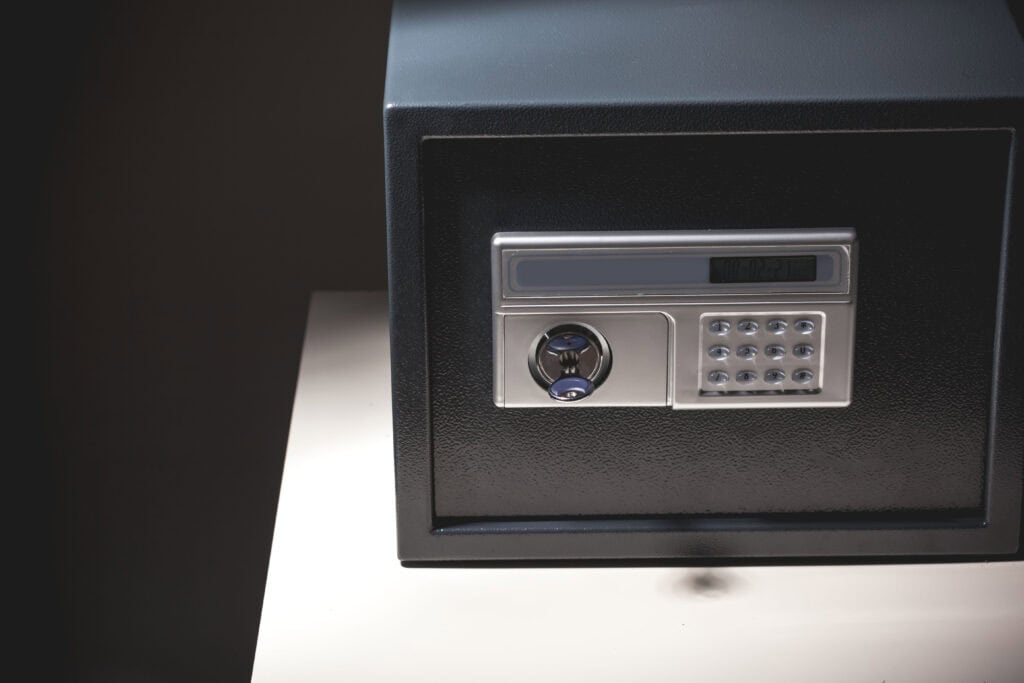
When homeowners ask how secure a safe is, they are asking a serious question. They want to know if steel and a lock are truly enough when something valuable is on the line. The real answer depends on construction, locking systems, installation, and how the safe is integrated into your overall security plan.
What Determines How Secure a Safe Is
Security is not defined by appearance or weight alone. A safe’s true strength comes from its steel thickness, door construction, bolt design, and internal reinforcement. The heavier and more structurally sound the body and door are, the more resistance the safe provides against forced entry.
Time is the key factor in any burglary attempt. Most criminals rely on speed and opportunity, not extended battles with hardened steel. A well-constructed safe increases the time and noise required to breach it, which dramatically reduces the likelihood of a successful theft.
Rhino Safe Construction and Structural Strength
Rhino safes are engineered with heavy-gauge steel bodies and reinforced doors designed to resist prying and impact. Door construction includes multi-directional bolt systems that secure the door from more than one side. This design prevents simple hinge attacks and distributes pressure evenly when locked.
Many Rhino models also include pre-drilled anchor holes for secure mounting to concrete or reinforced flooring. Anchoring transforms the safe from a movable object into a fixed security asset. When properly installed, this combination of steel thickness and anchoring creates a formidable barrier against forced removal.
Lock Systems and Tamper Resistance
Lock systems play a critical role in answering how secure a safe is. Rhino safes offer reliable locking mechanisms engineered to resist manipulation and forced entry. Mechanical dial locks provide time-tested durability, while electronic locks offer controlled access with strong internal protection.
Rhino’s locking systems are designed to prevent common tampering techniques. Solid locking bolts extend deep into reinforced frames, and internal relocking features activate if someone attempts to compromise the mechanism. This layered approach ensures that the lock itself is not the weak point in the system.
Fire Protection and Total Security
Security is not limited to theft prevention. Fire protection is equally important when evaluating how secure a safe is. Rhino safes incorporate fire-resistant materials and heat-activated seals designed to slow the transfer of extreme temperatures.
During a house fire, internal temperatures can rise quickly. A safe with meaningful fire resistance helps protect documents, valuables, and firearms from heat damage. True security means planning for multiple threats, not just one.
Comparing Safes to Other Storage Options
To understand how secure a safe is, it helps to compare it to alternatives. Locking cabinets, file boxes, or lightweight containers may offer basic privacy, but they do not provide the structural strength of a true safe. Thin metal and simple locks are easily defeated with common tools.
A properly constructed safe is built with reinforced steel, hardened locking systems, and anchoring capability. That difference in engineering translates directly into real-world resistance. Not all storage solutions are created equal, and serious protection requires serious construction.
The Role of Installation in Security
Even the strongest safe can be compromised if installed improperly. A safe that is not anchored can be tipped or removed and opened elsewhere. Professional installation ensures the safe is level, securely mounted, and positioned strategically.
Anchoring to concrete or reinforced structural points dramatically increases resistance to removal. When evaluating how secure a safe is, installation must be part of the conversation. Security does not end with the purchase; it begins with proper setup.
Maintenance and Long-Term Reliability
Security is also about long-term performance. Regular inspection of locks, hinges, and interior components ensures the safe continues to function properly. Keeping the safe clean and dry preserves its structural integrity and internal mechanisms.
A well-maintained safe retains its strength and reliability for decades. Consistent care ensures that when you need access or protection, the system performs exactly as designed. Security is not a one-time decision; it is an ongoing commitment.
So, How Secure Is a Safe Really
The honest answer is that a high-quality safe is extremely secure when built correctly and installed properly. Rhino safes combine heavy steel construction, advanced locking systems, anchoring capability, and fire protection into a comprehensive defense solution. When these elements work together, they create meaningful resistance to both theft and disaster.
How secure a safe ultimately depends on the quality of the product and the professionalism of the installation. When construction, locking systems, and anchoring are handled correctly, a safe becomes one of the most reliable layers of protection a homeowner can have.
Let Us Help!
North American Safe assists customers with repairs, lock changes, and relocations. When it comes to safes, we are here to help in any way we can. Contact us today with any questions you may have!