
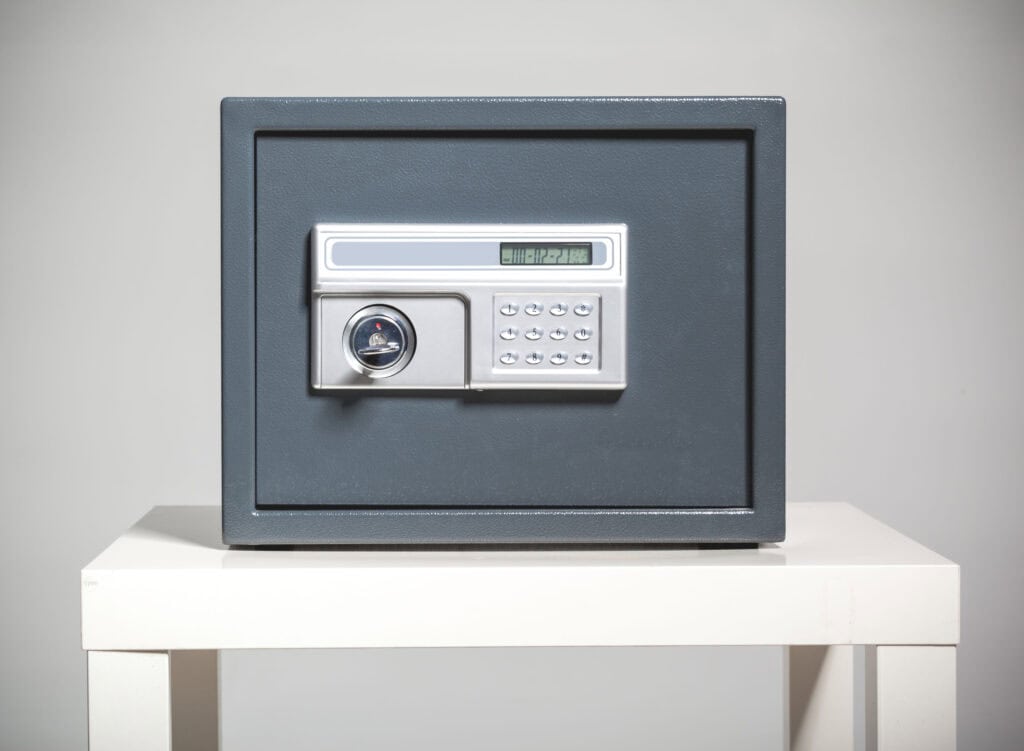
A quality safe is built to last for decades, but like any mechanical and electronic system, it needs attention over time to keep performing the way it should. Locks wear, seals age, and batteries die without warning at the worst possible moments. Understanding how often to have your safe serviced and inspected is one of the most overlooked parts of responsible safe ownership.
Why Routine Safe Servicing Matters
Most people buy a safe and assume the job is done. The reality is that the internal components of a safe, from the locking bolts and relockers to the electronic keypad and wiring, are all subject to wear from regular use. A lock that has been opened and closed thousands of times may feel fine from the outside while quietly developing the kind of wear that leads to a failed entry or, worse, a jam that traps your valuables inside at exactly the wrong moment.
Servicing also addresses what you cannot see. Lubricants inside mechanical locks break down over time and can cause sluggish or erratic behavior. Dust and debris accumulate inside electronic locks and keypads, interfering with contact points. A trained locksmith or safe technician can catch and correct these issues before they become emergencies, and doing so on a regular schedule is far less expensive than an emergency opening after a malfunction.
How Often Should a Safe Be Professionally Inspected?
For most homeowners and business owners, a professional inspection every three to five years is a reasonable starting point. This interval works well for safes that see moderate use, meaning they are opened several times a week but not constantly throughout the day. During an inspection, a technician will examine the locking mechanism, test the relocker, check the door alignment, and verify that any electronic components are functioning correctly.
If your safe sees heavier use, such as a gun safe that is accessed daily or a cash drawer in a retail environment, annual inspections make more sense. High-frequency use accelerates wear on every moving part, and waiting several years between service appointments in those situations creates an unnecessary risk of mechanical failure. The cost of an annual visit from a technician is modest compared to the cost of an emergency lockout or a failed fire rating caused by a compromised door seal.
Battery Replacement and Electronic Lock Maintenance
Electronic locks are now standard on most residential and commercial safes, and battery maintenance is one of the most straightforward parts of keeping them in good working order. Most manufacturers recommend replacing the batteries every twelve months, regardless of whether the keypad shows any sign of weakness. Waiting for a low-battery warning is not a reliable strategy because some safes show the warning only briefly before the lock stops responding entirely.
Beyond the batteries, the keypad itself should be cleaned periodically to prevent buildup on the contact points. If you notice any hesitation when entering your combination, buttons that require extra pressure, or a display that flickers, those are signs that service is needed sooner rather than later. Ignoring those early warnings is how people end up locked out of their own safe on a Sunday afternoon with no technician available.
When to Have Your Safe Serviced Between Scheduled Inspections
There are several situations that should prompt a service call outside of your regular inspection schedule. Any time a safe has been through a fire or flood, it should be professionally evaluated before being put back into service. Heat and moisture can damage seals, warp door frames, and compromise electronic components in ways that are not visible from the outside, and a safe that looks intact after a fire may no longer offer the protection it was rated for.
A safe should also be serviced if it has been moved or relocated. Moving a safe, even carefully, can shift internal components, loosen connections, and affect door alignment. What worked perfectly in your old location may develop problems in the new one simply because of the stress placed on the unit during transport. The same applies after any attempted break-in, even an unsuccessful one, since the door and locking mechanism may have sustained damage that is not immediately obvious.
Choosing the Right Technician for Safe Maintenance
Not every locksmith has the training and tools needed to properly service a quality safe. When looking for someone to inspect or maintain your safe, it is worth asking whether they have specific experience with your type of unit, whether they carry the right lubricants and replacement parts, and whether they are familiar with the manufacturer’s service recommendations. A technician who works primarily on residential door locks may not be the right person to service a high-security fire safe or a commercial vault.
Let Us Help!
North American Safe assists customers with repairs, lock changes, and relocations. When it comes to safes. Contact us today with any questions you may have!