
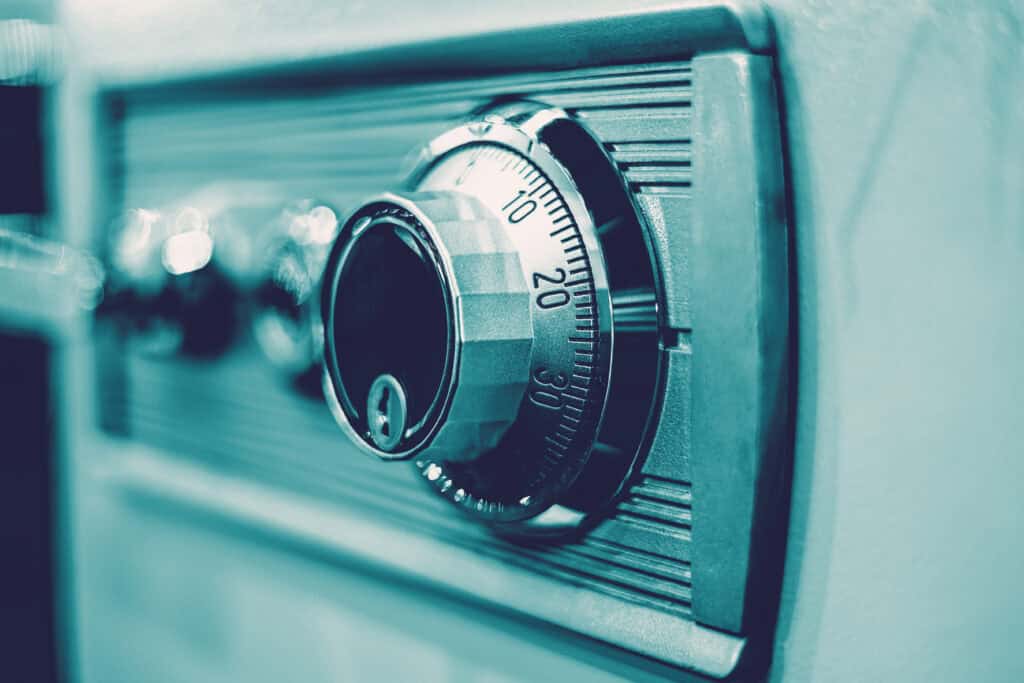
A safe is only as useful as your ability to open it when you need it, but it is only as valuable as your ability to keep others out when you do not. Those two goals pull in opposite directions, and every homeowner who owns a safe is navigating the tension between them, whether they realize it or not. Understanding how that tension works is the starting point for making a setup that actually serves you.
Why This Trade-Off Exists in Every Safe
The same features that make a safe difficult for an intruder to access can make it difficult for you during an emergency. A longer combination, a more complex locking mechanism, and additional relocker systems all raise the bar for unauthorized entry. Still, they also raise the bar for anyone who is stressed, operating in the dark, or working against the clock. This is not a flaw in safe design. It is an unavoidable reality of how security works, and pretending otherwise leads people to set up systems that fail them at the worst possible moment.
The answer is not to choose one extreme over the other. A safe left permanently in quick-access mode defeats the point of owning one, and a safe configured so aggressively that you fumble with it during an emergency creates its own set of problems. Most homeowners land somewhere in the middle without thinking it through deliberately, which means they get neither the access speed they need nor the security level they intended. Deliberately thinking it through produces a much better result.
Access Speed Matters More for Some Safes Than Others
Not every safe in a home serves the same purpose, and the right balance between access and security looks different depending on what the safe is protecting and why it needs to be opened quickly. A quick-access handgun safe kept in a bedroom for home defense needs to be openable in seconds under stress, in low light, with one hand if necessary. The security requirements for that safe are real, but they are secondary to the access requirement because the whole point is rapid response.
A fire-rated document safe or a large gun safe storing long guns in a locked room serves a different function entirely. The access timeline for those safes is measured in minutes, not seconds, and the security requirements can be set accordingly. Treating every safe in the house as if it needs the same balance of access and protection leads to configurations that make no sense for any of the actual use cases involved. Thinking about each safe on its own terms produces a more coherent setup overall.
Biometric and Electronic Locks Change the Equation
Modern locking technology has shifted what is possible on the access side of the equation without necessarily weakening the security side. A quality electronic keypad can be opened in well under three seconds by someone who knows the combination and is calm enough to enter it correctly. A biometric fingerprint reader, when it works reliably, reduces that to less than a second. These options give homeowners legitimate tools for improving access speed without resorting to workarounds that actually compromise security.
The caveat is that reliability matters enormously. A biometric lock that fails to read correctly under stress or with wet hands is worse than a keypad in those conditions, and a keypad with a dead battery that was never replaced creates an access problem at exactly the moment it cannot be tolerated. Electronic and biometric systems require maintenance to deliver on their promise, and homeowners who choose them need to commit to that maintenance as part of the overall setup.
Backup Access Is Part of the Security Plan, Not a Workaround
Most quality safes with electronic or biometric locks include a backup mechanical key or an override method in case the primary entry system fails. Homeowners sometimes treat these backup systems as an embarrassing concession to technology’s limitations, but they are better understood as a deliberate layer of the overall security design. A safe with no backup entry method can trap its contents permanently if the primary system fails.
The key is to manage the backup access point carefully rather than ignore it. A backup key stored in an obvious location, or handed to someone without much thought, undermines the security of the entire setup. A backup key stored in a separate safe, a bank safe deposit box, or in another secure location that only the right people can reach is a genuine safety net rather than a vulnerability. The backup system needs to be thought through with the same care as the primary one.
Family Members Need to Be Part of the Plan
A safe that only one person in a household can open is a setup waiting to create a problem. Spouses, adult children, or other household members who may need access in an emergency should know how to operate the safe, where any backup access options are kept, and what to do if the primary entry method fails. This is not about distributing access widely. It is about making sure the right people can get in when it matters.
Running through an actual access drill at least once is a step most homeowners skip and later regret. Watching someone else open a safe in normal conditions is not the same as being able to open it yourself under pressure. If a safe is part of a home security or emergency preparedness plan, the people involved in that plan need to be genuinely comfortable with the equipment, not just theoretically aware that it exists. North American Safe can help homeowners think through the right configuration for their specific situation, whether that means selecting the right locking system, adjusting an existing setup, or making sure everyone in the household is prepared to use what is already in place.
Let Us Help!
North American Safe assists customers with repairs, lock changes, and relocations. When it comes to safes, we are here to help in any way we can. Contact us today with any questions you may have!