
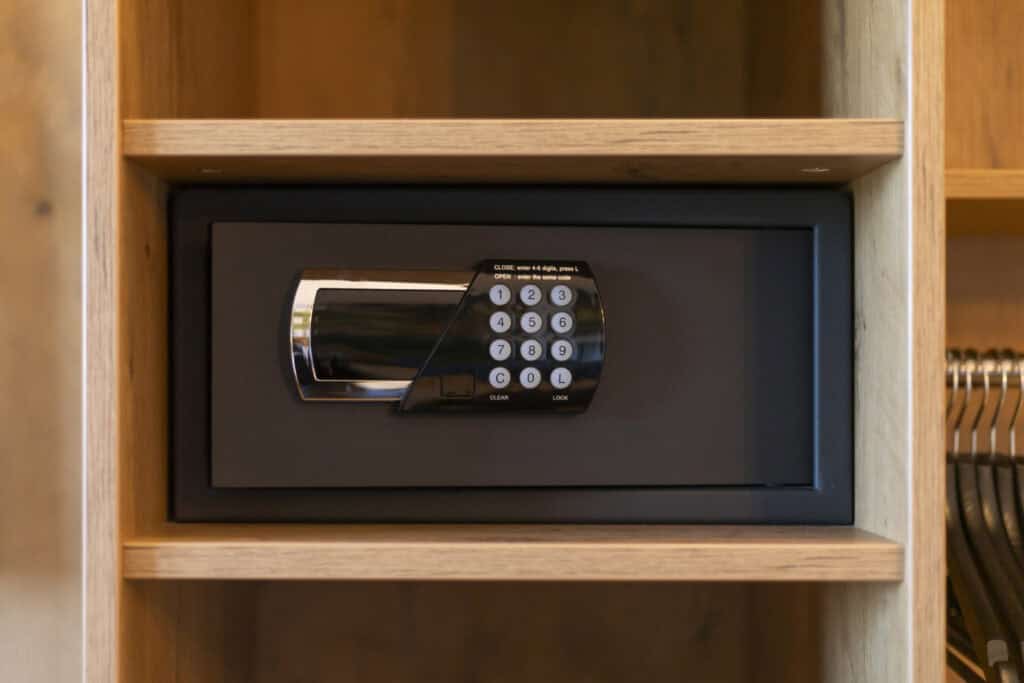
Buying a high-quality safe is only half the battle. Installation is where real security either takes shape or quietly falls apart. Understanding the most common installation mistakes ensures your investment performs exactly as it was designed to when it matters most.
Failing to Anchor the Safe Properly
One of the most common and costly mistakes is failing to anchor the safe. Many homeowners assume weight alone is enough to prevent removal, but even heavy safes can be tipped or moved with the right leverage and time. Without proper anchoring, a burglar can focus on breaching the safe off-site, where there is less risk of interruption.
Anchoring transforms a safe from a heavy object into a fixed security system. Securing it to concrete or reinforced structural points makes removal attempts significantly more difficult. A properly anchored safe works as intended and delivers the burglary resistance you paid for.
Choosing the Wrong Location
Location plays a powerful role in overall security. Placing a safe in a highly visible or predictable area increases the likelihood that it will become a target. At the same time, hiding it in an inaccessible location can discourage consistent use, which defeats the purpose of owning it.
A smart placement balances discretion and accessibility. The safe should be positioned where it can be anchored securely and used comfortably without drawing unnecessary attention. Strategic placement adds another layer of defense before the safe is ever tested.
Ignoring Floor Strength and Structural Support
Large safes are extremely heavy, especially once fully loaded. Installing a safe on flooring that cannot support its weight can lead to long-term structural issues. Over time, unsupported flooring may sag, shift, or compromise the level alignment of the safe.
Level alignment matters for proper door function and seal integrity. A safe that is not installed on stable, supportive flooring may experience unnecessary stress on hinges and locking mechanisms. Verifying structural support before installation protects both your home and your safety.
Improper Leveling and Door Alignment
A safe must sit level to function correctly. Even slight tilting can affect door swing, locking bolt engagement, and seal compression. Poor leveling can create subtle gaps that weaken fire protection and reduce overall performance.
Professional installers take time to confirm alignment before completing the job. Proper leveling ensures smooth operation and preserves the safe’s engineered design. When installation is rushed, these details are often overlooked, and long-term performance suffers.
Attempting DIY Installation Without Proper Equipment
Safes are not ordinary household items. Moving them without specialized equipment risks personal injury and property damage. Attempting to slide, tilt, or maneuver a heavy safe without the right tools can lead to damaged flooring, broken stair treads, or worse.
Beyond safety concerns, improper handling can compromise the safety of the safe itself. Dropping or forcing a safe into place can damage internal mechanisms or misalign critical components. Professional installation protects both your investment and your home from preventable mistakes.
Neglecting Environmental Considerations
Security is not just about theft. Moisture, temperature fluctuations, and ventilation all affect the contents of your safe over time. Installing a safe in a damp or unprotected area without proper planning can lead to corrosion and damage.
Dehumidifiers and interior accessories should be installed correctly and powered safely when applicable. Considering environmental factors during installation preserves both the safety and its contents. Long-term security includes protecting against gradual damage, not just sudden events.
Overlooking Manufacturer Guidelines
Every safe is engineered with specific installation recommendations. Ignoring those guidelines can void warranties and reduce effectiveness. Fire ratings and burglary resistance depend on correct placement, anchoring, and operation.
Following manufacturer specifications ensures the safe performs as tested. Professional installers understand these requirements and apply them carefully. Skipping this step can quietly undermine the very protection you invested in.
Why Professional Installation Makes a Difference
Installation mistakes are often invisible until a crisis reveals them. A safe that is not anchored, level, or properly positioned may look secure but fail when challenged. That is a risk no homeowner should accept.
Homeowners who trust North American Safe for professional installation can eliminate these common mistakes before they happen. Proper planning, secure anchoring, and careful alignment ensure your safe performs exactly as it should. In the end, true security is not just about what you buy; it is about how it is installed.
Let Us Help!
North American Safe assists customers with repairs, lock changes, and relocations. When it comes to safes, we are here to help in any way we can. Contact us today with any questions you may have!